Custom Kitchen vs Flat-Pack: Which Is Right for Your Home?
Flat-pack or fully custom? How the two approaches compare on fit, materials, storage, lifespan and value — and how to tell which one suits your home and budget.
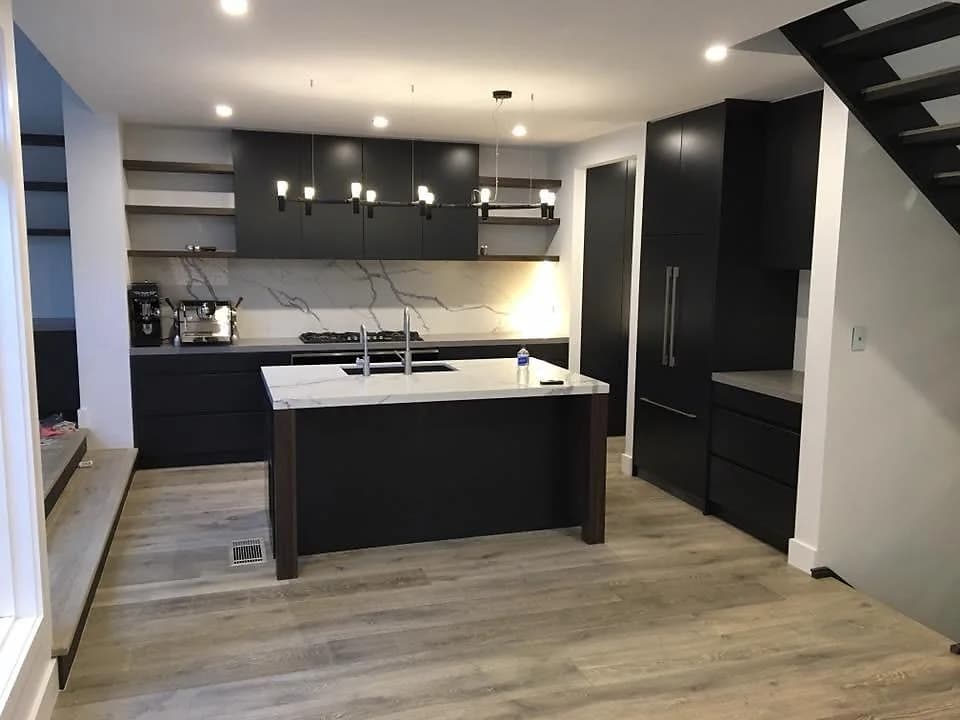
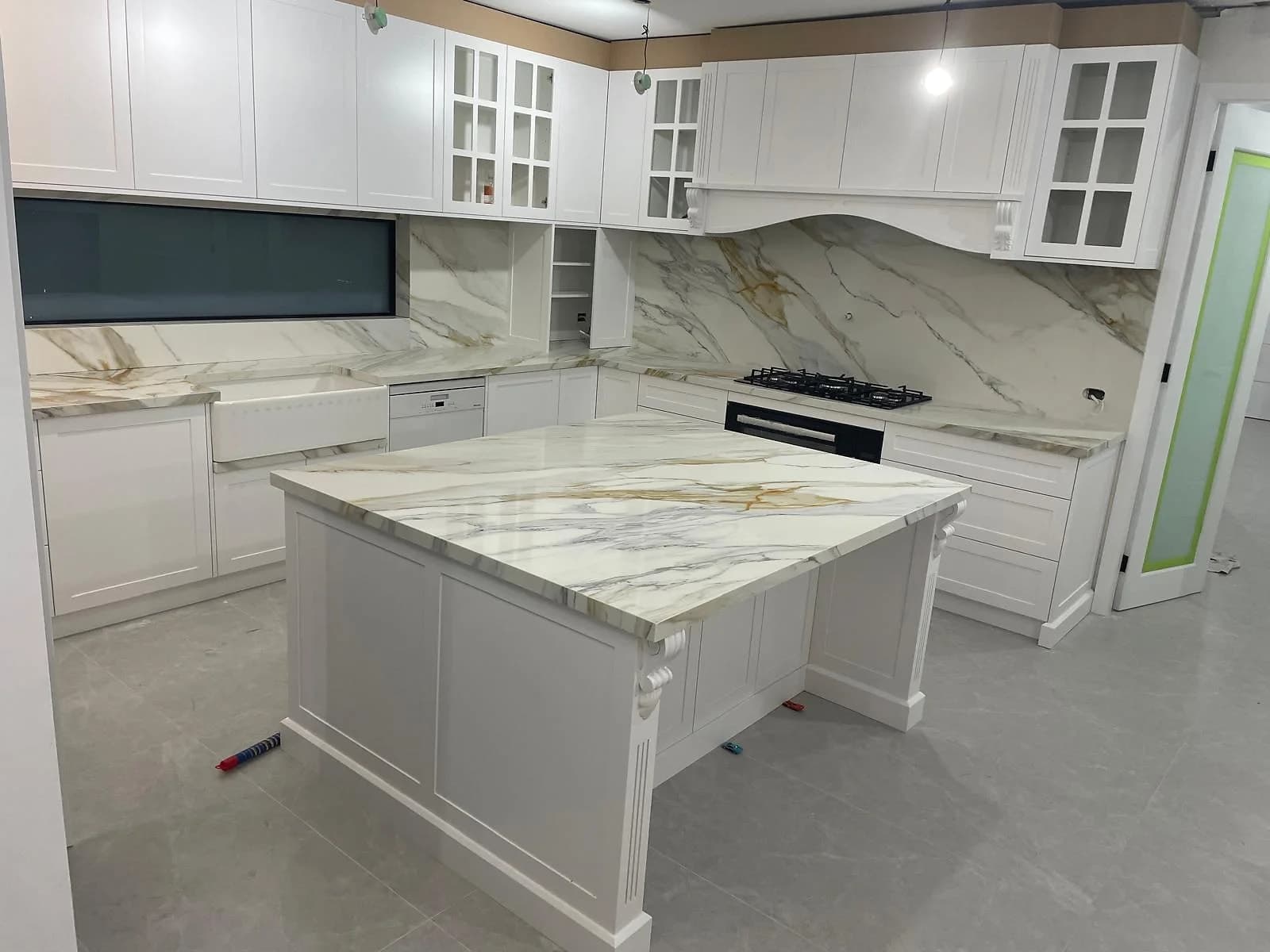
The difference between a custom kitchen vs flat pack comes down to three things: how well the kitchen fits your room, what it's made from, and how it's built. A flat-pack kitchen is assembled from standard-size modules. A custom kitchen is measured, made and installed for the exact space you have. Both can produce a good result, and the right choice depends on your room, your budget and how long you want the kitchen to last. This guide walks through where each one shines so you can decide with clear eyes.
H&R Kitchens focuses on custom kitchen planning, so this comparison is written from that perspective. Flat-pack is still a genuine option for plenty of homes, and the practical trade-offs deserve a fair explanation.
What's the difference?
A flat-pack kitchen arrives as a set of pre-cut panels in fixed sizes. You order cabinets in standard widths, then assemble them yourself or pay an installer to put them together on site. The carcasses are a known quantity and the price is easy to work out up front.
A custom kitchen starts the other way around. A cabinetmaker measures your room, designs cabinetry to suit it, then builds each piece to those measurements. Nothing is forced to a standard size. If your wall runs out at an odd dimension or your ceiling isn't level, the cabinetry is made to match.
Flat-pack kitchen
- Fit: standard module widths; gaps and fillers cover the leftovers
- Materials: usually melamine-faced board with set door and edge options
- Storage: standard drawer and shelf layouts
- Timeline: quick to order; assembly time varies with skill
- Suits: tight budgets, rentals, simple square rooms, hands-on owners
Custom kitchen
- Fit: built to your room's real measurements, wall to wall
- Materials: wider choice of boards, timber, doors, finishes and hardware
- Storage: drawers, inserts and cabinets planned around how you cook
- Timeline: longer, because each piece is designed and made to order
- Suits: renovations, awkward spaces, long-term homes, particular tastes
How they compare, point by point
The table below lines up the things homeowners ask about most. We've kept it to the practical differences rather than the sales pitch.
| Consideration | Flat-pack | Custom |
|---|---|---|
| Fit to the room | Standard widths, filled to span the wall | Measured and built to the exact run |
| Awkward walls or ceilings | Worked around with packers and fillers | Scribed and shaped to match |
| Material and finish choice | A set range of doors and colours | Broad choice of boards, timber and finishes |
| Storage tailoring | Standard drawer and shelf layouts | Planned around your cooking and gear |
| Lifespan | Good with care; depends on assembly | Built to last with solid construction |
| Installation | DIY or an installer fits the modules | Made and installed by the cabinetmaker |
A few of those rows are worth a closer look.
Fit is the big one. Rooms are rarely true. Walls bow, floors slope and ceilings drift, especially in older Sydney homes. Flat-pack handles this with filler panels and packers, which work but leave visible gaps in places. Custom cabinetry is scribed to the wall, so the join is tight and the run looks continuous.
Storage is where good kitchen design earns its keep. Flat-pack gives you the standard internal layouts that come with each module. Custom lets you plan the inside as carefully as the outside: drawer banks where you want them, a pull-out next to the cooktop, a cabinet sized for your bin or your mixer rather than the other way around.
Measure before you commit
Before you choose either path, measure your room properly, including ceiling height and any returns or bulkheads. The awkward spots are where flat-pack and custom part ways, so they tell you a lot about which one fits.When flat-pack makes sense
Flat-pack is a fair call in a few situations, and we'd say so to your face.
It works well in a square, simple room where standard widths happen to line up with your walls. If there's little to scribe and few odd corners, you lose less to compromise.
It suits a lower upfront cost. When the budget is tight, or the kitchen is for a rental or a property you plan to sell soon, paying less now and accepting standard sizing is a sensible trade.
It rewards hands-on owners. If you're confident with tools and have the time, assembling flat-pack yourself saves on labour. The result depends heavily on how square and level you get the carcasses, so honest self-assessment helps here.
And it's quick to get going. You can order modules and have them on site fast, which matters when you're working to a deadline.
When a custom kitchen is worth it
Custom earns its place when the room or the brief gets harder than off-the-shelf can handle.
If your space has awkward walls, returns, a bulkhead or a sloping ceiling, custom cabinetry is made to fit it instead of fighting it. The same goes for non-standard runs where a standard module would leave a wide filler or a wasted corner.
It pays off when storage matters. A kitchen planned around how you actually cook, with the right drawers and inserts in the right places, makes day-to-day life easier in a way standard layouts can't match.
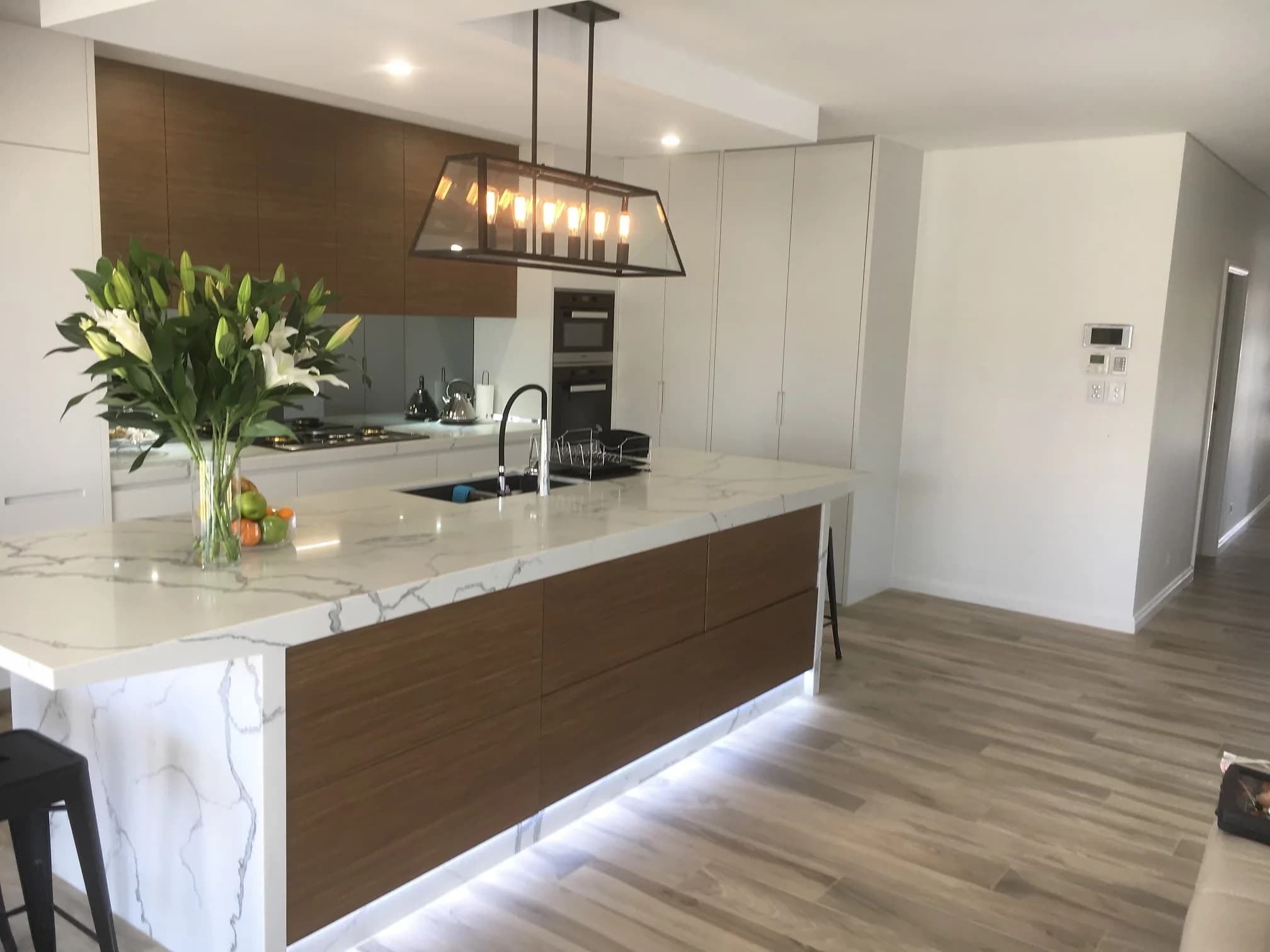
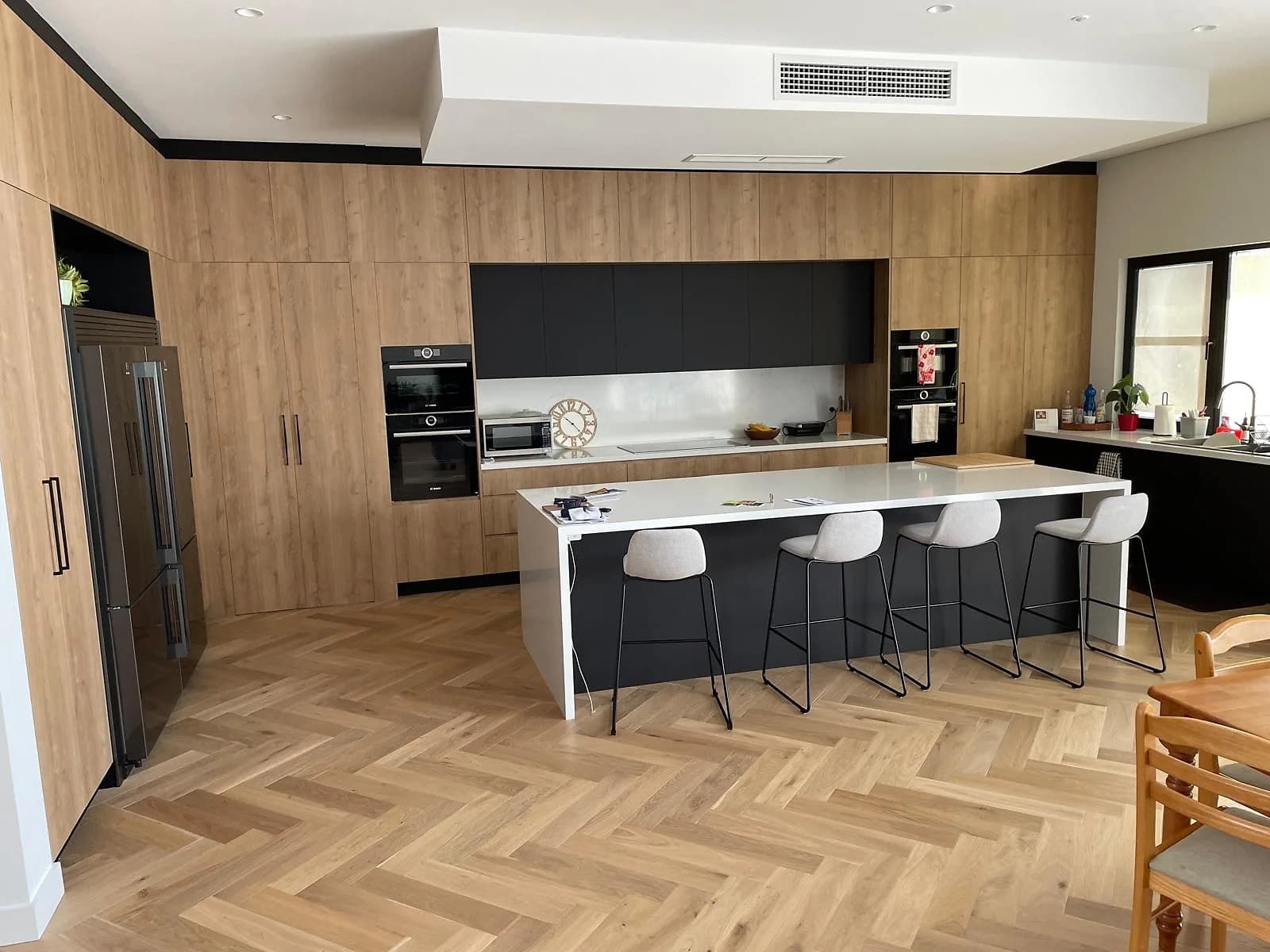
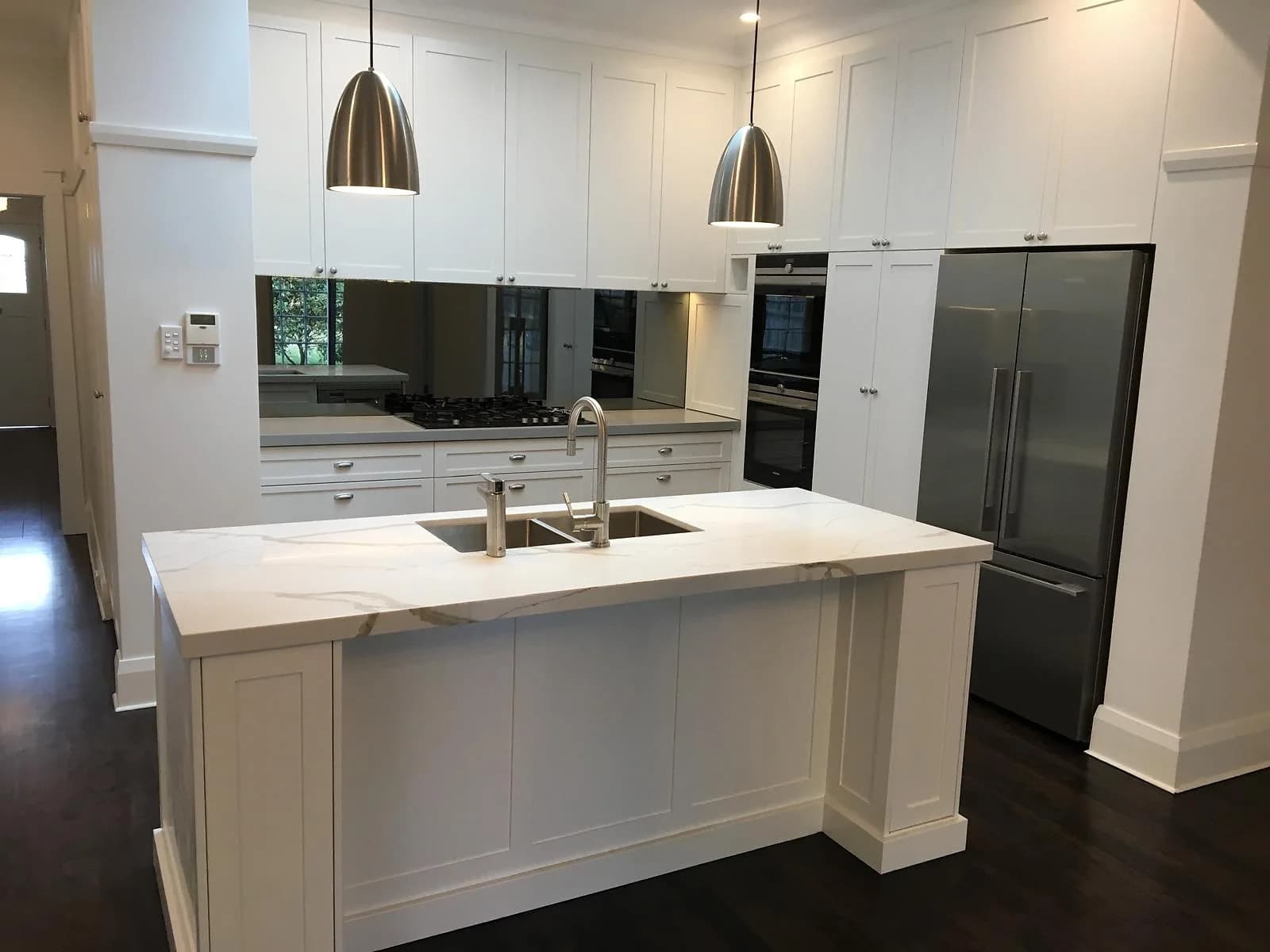
Custom also makes sense when you want a wider choice of materials and finishes, or a look that has to carry through to other joinery in the home. The kitchen, laundry and nearby cabinetry can be specified with the same door profile, colour and hardware where that suits the rooms.
And it suits a home you intend to keep. The cost is higher at the start, but solid construction and a proper fit usually mean better long-term value, especially through a full kitchen renovation where the cabinetry has to last and stay looking right for years.
Lean towards flat-pack if
You have a simple square room, a tight budget, a short time frame, or a rental, and you're comfortable accepting standard sizes and finishes.Lean towards custom if
Your room is awkward, your storage needs are specific, you want a particular look, or you're staying put and want the kitchen to last.There's no single right answer. A modest flat-pack in a straightforward room can serve a family well for years. A custom kitchen in a tricky space can be the difference between a layout you tolerate and one you enjoy. The honest test is your room and your plans, not a rule of thumb.
If you are weighing custom against flat-pack, send the room dimensions, storage priorities and budget range. H&R Kitchens can help you compare where made-to-measure cabinetry adds practical value and where a standard option may be sufficient.
Frequently asked questions
Is a custom kitchen always better than flat-pack?
No. A custom kitchen fits your room better and gives you more control over materials and storage, but flat-pack is a fair choice for simple square rooms, tight budgets or short-term homes. The better option depends on your space and how long you want the kitchen to last, not on which one costs more.
Can a custom kitchen fit walls that aren't square?
Yes, and this is one of its main strengths. Custom cabinetry is measured and built to your room, then scribed to the wall on site, so it follows bows, slopes and odd dimensions instead of leaving gaps. Flat-pack covers those same spots with filler panels, which works but is more visible.
Does flat-pack last as long as custom?
It can last well if it's assembled square and looked after, though that depends a lot on the quality of the assembly. Custom cabinetry is generally built to last, with construction and a fit designed for your home, which is why it tends to offer better long-term value in a kitchen you plan to keep.
How long does a custom kitchen take compared to flat-pack?
Flat-pack is quicker to get started because the modules are ready to order. Custom takes longer, since each piece is designed and made to your measurements before it's installed. We'll give you a realistic timeline once we've seen your room and understood the work involved.